Digging Work That Supports Stable Construction
Excavation in the Tri City area for foundation preparation, drainage improvements, and residential property development
Properties across Greeneville and Northeast Tennessee often require excavation before construction can begin, whether for new home foundations, utility trenches, or drainage systems that prevent water damage. Excavation involves removing soil to specific depths and dimensions, creating space for footings, pipes, or grading corrections that address slope and runoff problems. Danway Excavating & Land Clearing provides excavation services designed for the variable elevations and rural terrain conditions common throughout this region, where rocky soil and uneven ground affect how digging work proceeds.
Precision matters during excavation because foundation stability, drainage function, and long-term structural performance depend on accurate depth, level, and compaction of the excavated area. The work includes trenching for utilities, digging footings to specified dimensions, and removing soil in a way that doesn't destabilize surrounding ground or create future settling problems.
Schedule an excavation consultation to review your project's site requirements and receive a free estimate.
How Excavation Addresses Foundation and Drainage Needs
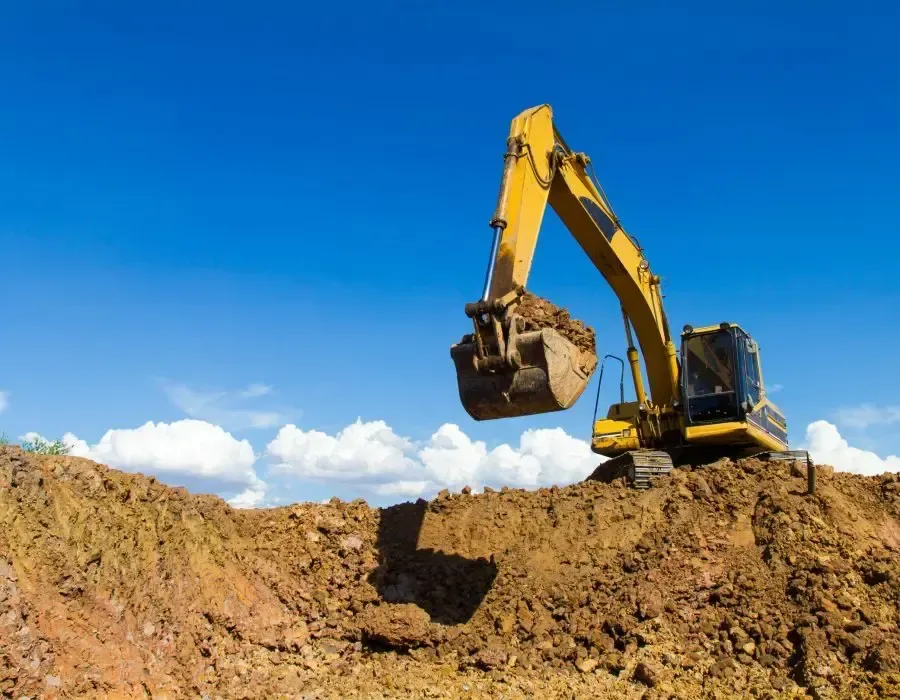
Excavation work begins with marking the dig area according to construction plans, then removing soil in layers to reach the required depth while monitoring for underground utilities, rock formations, or soil conditions that affect the approach. Operators adjust based on what the ground reveals as digging progresses, particularly on properties with mixed soil composition or hidden bedrock.
Once excavation is finished, you'll see a prepared area with walls cut to the correct slope, a level bottom ready for gravel or concrete, and soil removed in a way that supports stable construction. Foundations poured into properly excavated sites settle evenly and resist shifting, while drainage trenches dug to the right grade move water away from structures without pooling or backflow.
The service includes coordination with construction timelines so excavation happens when builders need it, site cleanup to keep the work area safe, and communication about any subsurface conditions discovered during digging that might affect the project plan.
Answers to Frequent Service Questions
Property owners preparing for construction or drainage projects often ask these questions about excavation work.
What preparation is needed before excavation begins?
Utility lines must be marked by local services, construction plans should specify excavation dimensions, and the site should be accessible for equipment that typically includes excavators and dump trucks for soil removal.
How does excavation differ for sloped properties versus flat lots?
Sloped properties require careful attention to cut angles and soil stability to prevent erosion or collapse, and equipment must work at angles that don't create safety hazards or damage surrounding areas.
What happens if rock is encountered during digging?
Rock excavation requires different equipment and techniques than soil removal, which can affect project timelines and costs depending on the depth and extent of bedrock discovered during the work.
When should excavation be scheduled relative to other construction work?
Excavation should happen after clearing and before foundation work begins, with timing coordinated so the site doesn't sit open through heavy rain periods common in Northeast Tennessee that could cause erosion or water accumulation.
What is done with the soil removed during excavation?
Soil is hauled off-site or spread elsewhere on the property depending on project needs, soil quality, and whether it will be used for backfilling or grading work later in the construction process.
Danway Excavating & Land Clearing handles residential excavation projects throughout the Tri Cities and surrounding communities with attention to safety and project timelines. Contact the company to arrange a site evaluation and discuss your excavation requirements.