Land Features Built for Long-Term Use
Ponds in the Tri Cities and surrounding areas for residential properties, recreational use, and land improvement projects tailored to owner goals
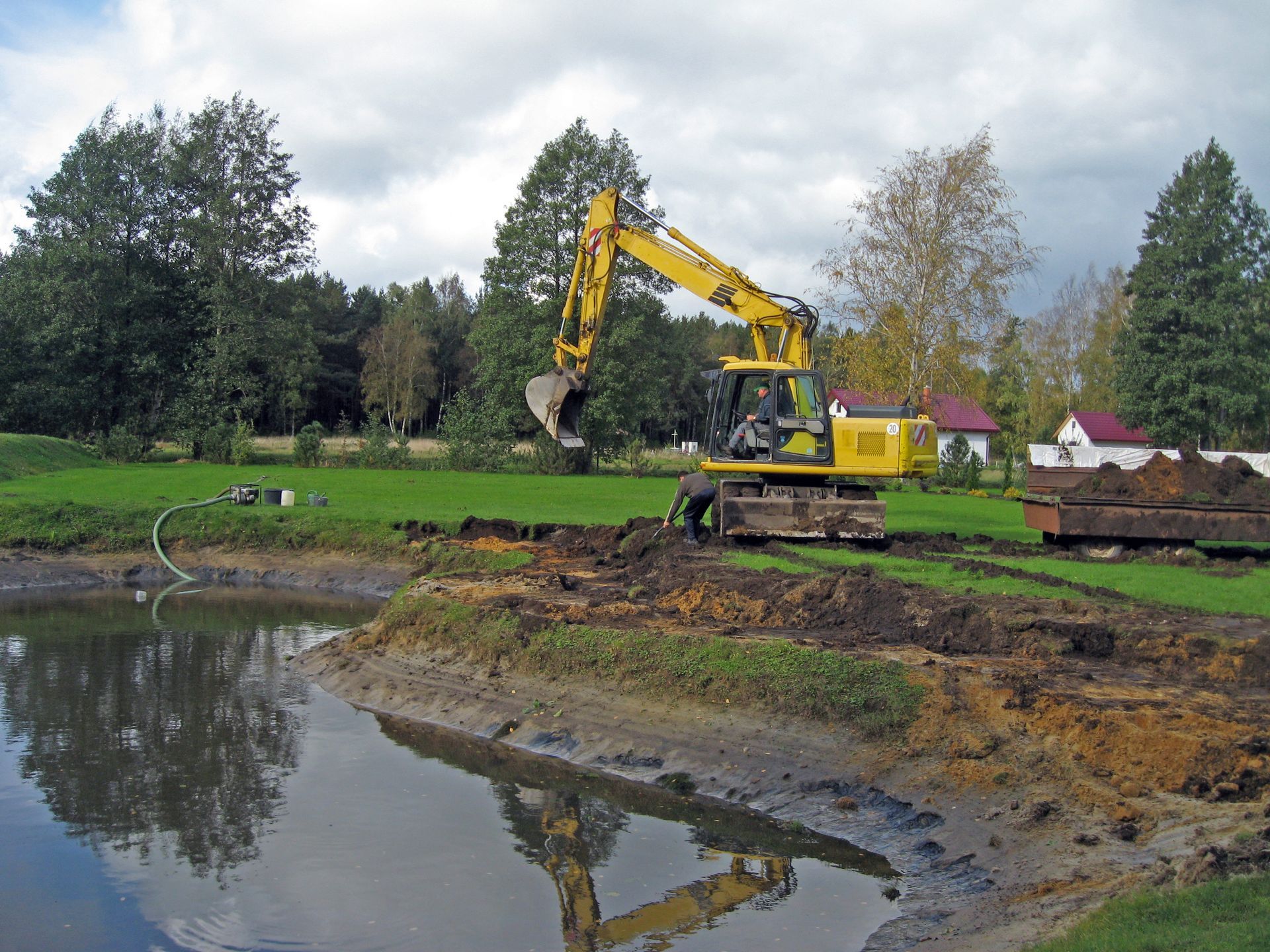
A pond that holds water year-round and maintains its shoreline through wet and dry seasons starts with excavation that accounts for soil composition, natural drainage, and depth requirements. Danway Excavating & Land Clearing shapes ponds for residential properties where owners want fishing access, livestock watering, fire protection, or aesthetic enhancement. The excavation process removes soil to the planned depth and slope, creating a basin that fills from groundwater, runoff, or diverted streams without excessive seepage or erosion at the edges.
Soil conditions across Northeast Tennessee vary from clay-heavy substrates that hold water effectively to sandier layers that require compaction or additional sealing measures. During excavation, the removed soil is typically used to build embankments or grade surrounding areas, and the pond bottom is compacted to reduce permeability. Grading around the perimeter ensures runoff enters the pond without carrying excessive sediment that clouds the water or fills in shallow areas over time.
Arrange a property visit to discuss pond size, depth, and placement based on your land's topography and intended use.
How Pond Construction Addresses Terrain and Water Flow
Pond projects begin with evaluating the property's natural drainage to identify locations where water collects or can be diverted without altering flood patterns on neighboring land. Excavation depth typically ranges from eight to twelve feet in the center to maintain water levels during dry periods and support fish populations if stocking is planned. Slopes are graded to prevent cave-ins and allow safe access to the water's edge, with consideration for livestock use or recreational activities.
After construction, you'll see a defined water feature that integrates with your property's landscape and serves its intended function without requiring constant maintenance to address erosion or silting. The shoreline remains stable, water levels respond predictably to seasonal changes, and the pond enhances both the appearance and functionality of the land. Properly constructed ponds also improve wildlife habitat and provide a visible focal point that increases property value.
Additional work may include installing overflow structures to manage excess water during heavy rainfall or shaping islands and shallow zones for varied habitat. These features are incorporated during the excavation phase to avoid costly modifications after the pond has filled. Attention to soil compaction and spillway placement ensures the pond performs as designed without unexpected settling or breaches.
Common Questions About Pond Projects
Homeowners considering pond excavation often want to understand the construction process and what factors determine long-term water retention
What determines whether a pond will hold water year-round?
Soil composition is the primary factor, with clay-rich soils providing natural sealing that prevents excessive seepage compared to sandy or rocky substrates that may require additional compaction or lining.
How large does the excavation area need to be?
Pond size depends on your goals and available land, with common residential projects ranging from a quarter-acre to multiple acres, and depth planned to ensure water remains during typical dry periods.
What happens to the excavated soil?
Removed material is typically used to construct berms around the pond perimeter, improve drainage in other areas of the property, or raise land elevation where needed for access or landscaping purposes.
How does grading around the pond prevent erosion?
Slopes are shaped to minimize runoff velocity as water enters the pond, and vegetation zones can be established around the edges to stabilize soil and filter sediment before it reaches the water.
When is the best time to excavate a pond in Greeneville?
Dry months allow equipment access without soil compaction issues, and excavation completed before the rainy season gives the pond time to fill naturally and settle before stocking or heavy use begins.
Danway Excavating & Land Clearing customizes pond excavation based on property characteristics and owner objectives, delivering careful attention to soil management and grading throughout construction. Contact the team to explore pond construction options and request a free estimate based on your land's specific conditions.