
Underground Installations Done Without Property Disruption
Utility Trenching in the Tri City Area for water lines, drainage systems, electrical conduit, and underground service installations
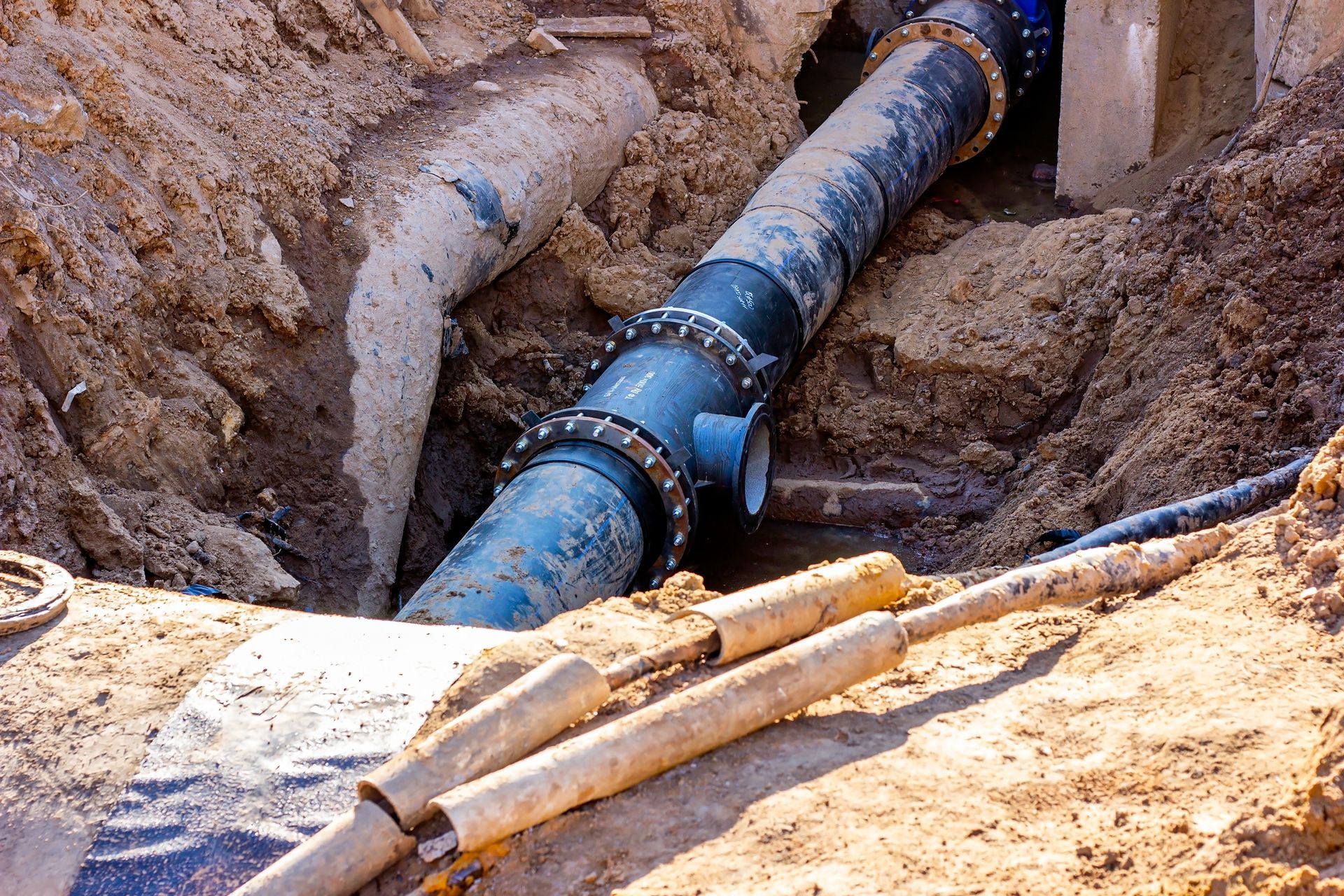
Trenching for utilities requires precise depth control and clean excavation that protects surrounding landscape areas while providing secure pathways for pipes, cables, and drainage lines. Danway Excavating & Land Clearing handles trenching projects for residential construction and property upgrades where new water service, electrical lines, or drainage systems need to run underground without disturbing existing structures or vegetation. The process involves excavating narrow channels to specified depths, installing the utility components, then backfilling with compacted material that restores ground stability and surface grade.
Trenching depth and width depend on the type of utility being installed and local code requirements, with water lines typically placed below frost depth to prevent freezing and electrical conduit routed to avoid future digging conflicts. Equipment operation is controlled to minimize disturbance beyond the trench footprint, and excavated soil is staged for reuse during backfilling to maintain consistent site conditions. You'll notice the work proceeds efficiently with minimal impact on surrounding areas, and once backfilled, the trench line integrates back into the landscape without visible settling or depressions.
Request a trenching consultation to review your utility installation route and receive an estimate based on distance, depth, and site conditions.
Why Trenching Method Matters for Long-Term Function
Trenching begins with locating existing underground utilities to avoid damage during excavation, followed by digging to the depth required for the new installation. Trench walls are kept stable to prevent cave-ins, and the bottom is graded or leveled depending on whether the utility needs slope for drainage or a flat bed for electrical conduit. Backfill material is placed in layers and compacted to prevent voids that cause surface settling months after the project is completed.
After trenching is complete, your utility lines are protected underground at the correct depth, and the surface above them is restored to match the surrounding grade. You won't see low spots or soft areas develop over time, and the installed lines function as designed without shifting or damage from surface activity. Properly executed trenching also allows future access if repairs are needed, since the route is documented and backfilled in a way that can be reopened without widespread excavation.
Trenching projects sometimes include multiple utility runs within the same excavation, or coordinated routes that avoid conflicts with driveways, landscaping, and foundation footings. Planning these details during the initial consultation prevents rework and ensures all systems are accessible for maintenance without overlapping or creating future service complications.
What Homeowners Ask About Trenching Work
Property owners preparing for utility installations often want to understand how trenching affects their land and what the process involves.
How deep are utility trenches excavated?
Water lines are typically placed 18 to 24 inches deep to stay below frost penetration, while electrical conduit and drainage lines may be shallower or deeper depending on code requirements and routing needs.
What happens to the soil removed during trenching?
Excavated material is used to backfill the trench after utility installation, with compaction applied in layers to prevent settling and restore the original ground level.
How is trenching done without damaging existing landscaping?
Equipment is sized to minimize footprint, and the excavation path is planned to avoid root zones, irrigation lines, and established plantings whenever possible without compromising utility function.
Why does backfill need to be compacted?
Loose soil settles over time and creates depressions along the trench line, while compacted backfill maintains surface grade and prevents voids that could damage the installed utility.
When should trenching be scheduled in Greeneville?
Dry conditions make excavation and backfill easier to manage, and completing utility trenching before paving or final landscaping avoids the need to disturb finished surfaces.
Danway Excavating & Land Clearing brings over 25 years of experience to utility trenching projects, combining precise excavation methods with safe equipment operation and efficient project timelines. Call to discuss your utility installation needs and schedule an on-site evaluation for accurate trenching estimates.